
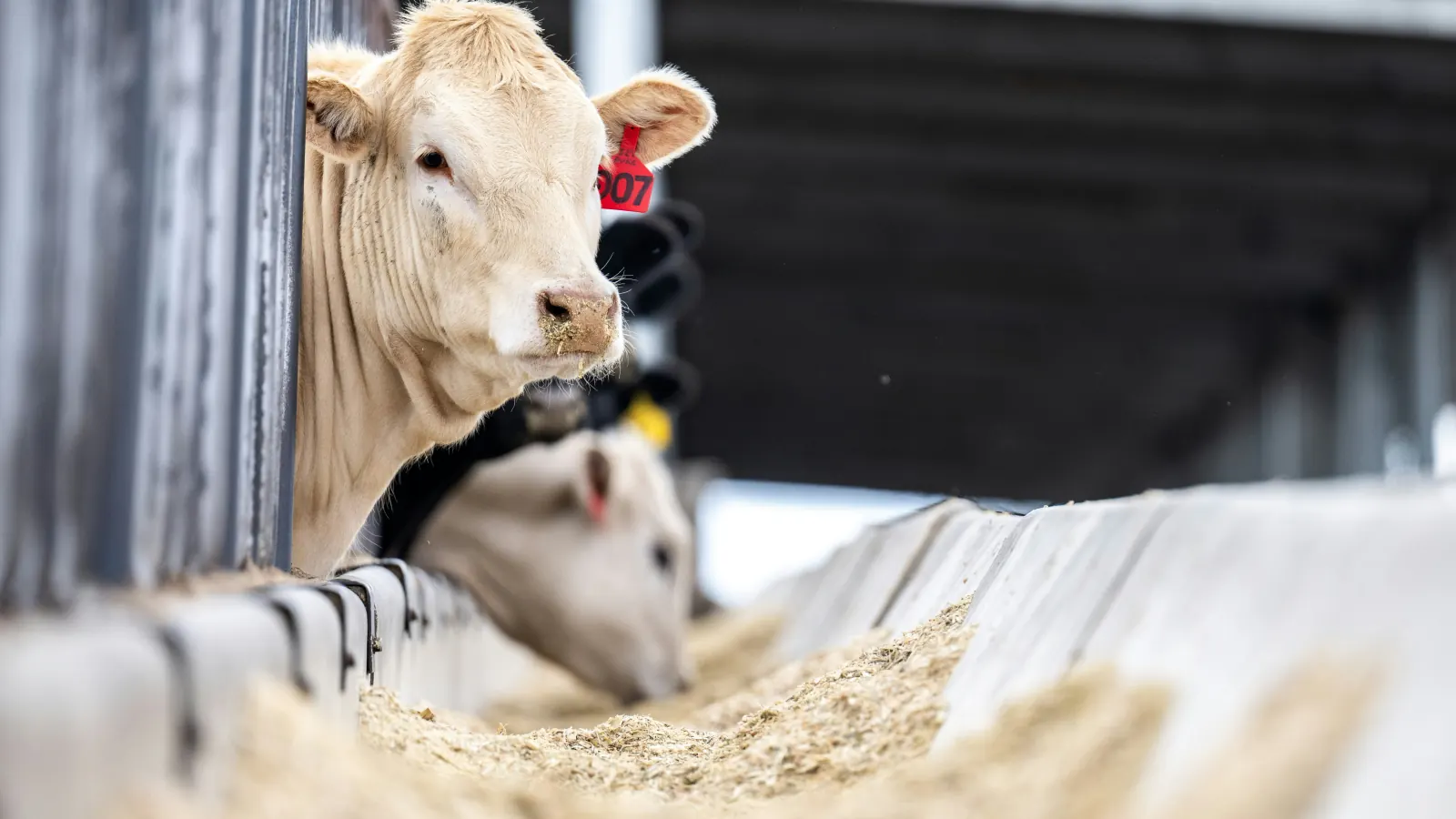
Livestock brands and identification marks in South Africa
Photo: Reilly Cook · Unsplash
Under the Animal Identification Act 6 of 2002, every owner of the animals it covers must register an identification mark with the Registrar of Animal Identification and mark their animals with it. Its regulations set the rules for cattle, horses, sheep, goats, pigs and ostriches. Cattle must be marked by six months and branded by the two-tooth stage; sheep and goats are tattooed in the ear. When animals are sold they must carry the seller’s mark and go with a document of identification, which the buyer keeps for a year.
Registering an identification mark
- Who: each owner of animals covered by the Act must apply to register an identification mark, mark the animals with it as the regulations prescribe, and tell the Registrar when their address changes (section 7(1)).
- Where: with the Registrar of Animal Identification in the national Department of Agriculture (section 3).
- Cost: R210 to register a mark, and R210 to transfer one (Government Notice R.6085, from April 2025).
- The mark: one to three characters. A brand’s characters are 40 to 100 mm high and wide; a tattoo’s are no more than 20 mm (regulations 9 and 10).
When and where to mark each kind of animal
| Animal | How | Where | When |
|---|---|---|---|
| Cattle | Tattoo or brand | Tattoo in the left or right ear; brand on any clearly visible part except the neck | Marked by 6 months (tattoo from 1 month, brand from 6 months), and branded by the two-tooth stage |
| Sheep and goats | Tattoo | Left or right ear | From 1 month |
| Pigs | Tattoo | Left or right ear | From 1 month |
Horses and ostriches have rules of their own in the same regulations. An ear tag or an electronic (EID) tag is a useful management record, but it does not replace the registered mark.
Selling and moving animals
- Within 14 days of becoming the owner, the buyer must be given a document of identification by the seller; after 14 days, the animal must also carry the seller’s mark (Animal Identification Act section 7(2)).
- The buyer keeps the document of identification for one year (section 7(3); Stock Theft Act section 6).
- Under the Stock Theft Act, the document gives the seller’s full name and address, the particulars of the stock, the buyer’s name and address, and the date, and certifies that the seller owns the animals or may sell them. Delivering animals to an auctioneer counts as disposing of them.
- Anyone moving someone else’s stock on a public road needs a removal certificate: who issued it, the owner, the stock, where from and to, the driver, the date and the vehicle’s registration, make and model (Stock Theft Act section 8).
Breaking section 7, altering a mark or selling an animal with a cut-off ear is an offence, punishable by a fine or up to six months’ imprisonment, or both (Animal Identification Act section 16).
Livestock records in Veldwys
Veldwys keeps each herd with its head count kept right by births, deaths, sales, purchases and counts, with treatments, movements, weights and the camps each herd is on, and cost per animal. Tagged animals can be recorded one by one. The Livestock Pro module keeps an animal’s record for life (tags, EID and parents, weighings, joinings, scans and calvings, the sires used, and withdrawal periods) and works with EID readers and ICAR files. Registering your mark is done with the Registrar; Veldwys keeps the records around it.
Questions
Is it compulsory to brand cattle in South Africa?
Every owner must register an identification mark and mark their cattle with it: by tattoo or brand by six months, and branded by the two-tooth stage (Animal Identification Act section 7; regulations 11 and 12).
How much does it cost to register a brand mark?
R210 per application to register a mark, and R210 to transfer one, from April 2025 (Government Notice R.6085).
What papers do I need to sell cattle?
A document of identification from the seller, with the seller’s and buyer’s names and addresses, the animals’ particulars and the date. The buyer keeps it for a year.
Sources
Read for this guide. Where a figure changes by notice each year, the guide gives the date it applies from.