
The diesel refund for farmers: rules, rate and logbook
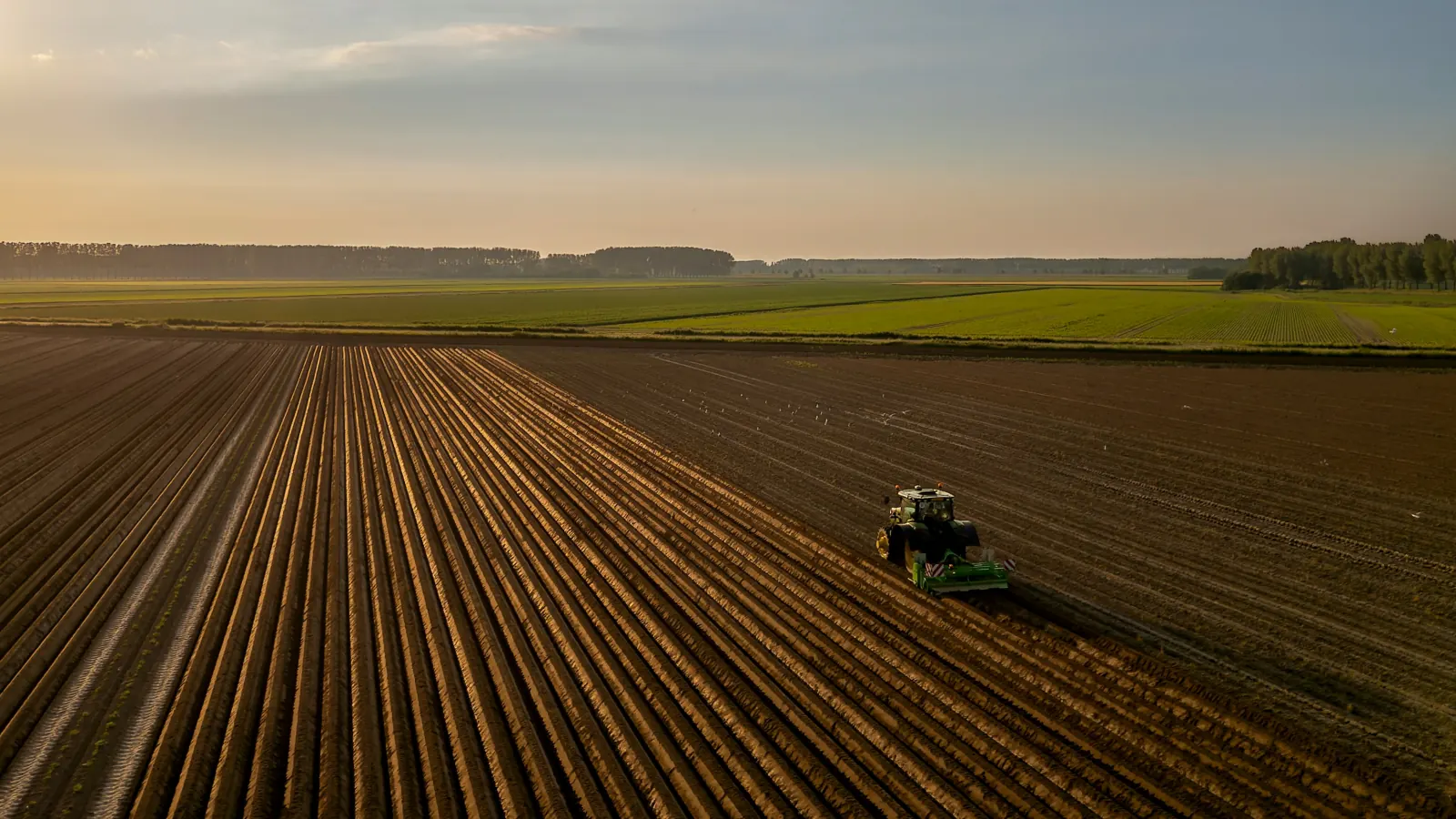
Photo: Tom De Decker · Unsplash
A VAT-registered farmer who is registered for diesel refunds can claim back part of the levies on diesel used in their own farming on land, through the VAT201 return. From 1 April 2026 the refund is on 100% of eligible litres (it used to be 80%). The rate is 382.2 cents a litre from 1 July 2026, with a temporary 322.2 cents from 2 December 2026 to 5 January 2027. The claim stands or falls on the logbooks: without records from purchase to use, SARS pays nothing.
Who can claim
The refund is a rebate of the fuel levy and the Road Accident Fund levy under the Customs and Excise Act (item 670.04 of Part 3 of Schedule 6, Note 6). To claim it, a farmer must:
- be registered for VAT, and registered for diesel refunds as well;
- use the diesel in their own primary production in farming on land;
- be both the buyer and the user of the diesel, with invoices in their own name;
- have their tax matters in order.
The new Diesel Refund System
From 18 September 2026, registration for diesel refunds is separate from VAT registration, on SARS’s new Diesel Refund System, through eFiling or at a branch. Eligible diesel must be bought from suppliers disclosed on the system. The claim itself is still made on the VAT201 return. SARS’s Diesel Refund System page has the steps and the latest notices.
The refund rate
The rate is the fuel levy plus the Road Accident Fund levy, in cents a litre, and SARS changes it by notice, often more than once a year. Recent rates for farming on land:
| From | Fuel levy | Road Accident Fund levy | Refund |
|---|---|---|---|
| 1 July 2026 | 157.2 | 225.0 | 382.2 |
| 2 December 2026 to 5 January 2027 (fuel levy relief) | 97.2 | 225.0 | 322.2 |
| 6 January 2027 | 157.2 | 225.0 | 382.2 |
From 1 April 2026, 100% of eligible litres qualify; before that, only 80% did. Litres bought in March 2026 and claimed later are adjusted back to 80%.
Example
A farmer buys 1 000 litres in July 2026 and uses 300 litres to carry someone else’s goods for payment, which is not eligible. The eligible litres are 700, and the refund is 700 × R3.822 = R2 675.40. (This is the example in SARS’s own notice.)
What counts, and what does not
Note 6 lists the farming activities that qualify. Among them are working the land and crops, livestock and herding, baling, building and maintaining fences, firebreaks, dams and irrigation, pumping water, pest control, storing and packing on the farm, and game farming that is not for leisure. Carrying your own farm products from the farm, or your own farming requirements to it, in your own vehicle, also counts.
Not eligible: carrying goods for reward; diesel sold, bartered or given away; diesel lost or stolen; diesel used outside South Africa; wet-hire contracts; and a buyer of farm products using diesel to carry them off the farm. A contractor’s work counts only on a dry basis: you supply the diesel, and the contractor brings the machine and operator.
The logbook SARS expects
SARS defines logbooks as systematic, tabulated records that give a full audit trail of the diesel, from purchase to use. Since April 2013 there is no fallback: a claim without logbooks is not paid. Keep three kinds of record:
| Record | What it must show |
|---|---|
| Purchases | Each invoice: number and date, quantity, the seller’s name and business address, and the date of purchase and of delivery. A tax invoice in your name. |
| Storage | Each tank’s capacity, every delivery into it and every removal from it, and anything sold or disposed of. |
| Use | For each machine or vehicle: the date, place and purpose, the machine fuelled, whether the work was eligible, the litres used, the operator, and how hard it worked (hours, distance). |
| Losses | The date, place and circumstances, the litres lost and how that was worked out. |
- Keep eligible and non-eligible use apart, and give diesel to dry-basis contractors its own record.
- Keep the records for five years from the date the diesel was used or disposed of, or from the refund return, whichever is later.
- SARS’s Diesel Refund System page says a claim must be made within two years of the purchase date.
The diesel logbook in Veldwys
Veldwys records every fill by machine, with what it was used for and whether it counts for the refund. It shows what is in the tank and what each machine burns per hour or per 100 km, prints the logbook, and estimates the refund at the rate the farm enters. Fills can be captured on a phone without signal and are sent when signal returns. The machines’ meter readings in the logbook also show how close each one is to its next service.
Questions
How much is the diesel rebate for farmers in 2026?
382.2 cents a litre from 1 July 2026 (157.2c fuel levy plus 225.0c Road Accident Fund levy), 322.2 cents from 2 December 2026 to 5 January 2027, and 382.2 cents again from 6 January 2027, on 100% of eligible litres.
Is the refund still 80%?
No. For diesel bought from 1 April 2026, 100% of eligible litres qualify.
Do I need to register again?
Diesel refund registration has been separate from VAT registration since 18 September 2026, on SARS’s Diesel Refund System. Check your registration there, through eFiling or at a branch.
What happens without a logbook?
No refund. The 20% reduction that once applied to claims without proper logbooks ended on 31 March 2013; only claims backed by logbooks are paid.
Sources
Read for this guide. Where a figure changes by notice each year, the guide gives the date it applies from.
- Customs and Excise Act 91 of 1964, Schedule 6 Part 3 (SARS consolidation), item 670.04 and Note 6
- SARS policy SE-DSL-02: Manage Diesel Refund Calculation (external policy)
- SARS: Increase in diesel refund claims from 80% to 100% (20 April 2026)
- Schedule 6 amendment 6/3/70 (GN R.7479, GG 54678): diesel refund rate from 1 July 2026
- Schedule 6 amendment 6/3/73 (GN R.8154, GG 55680): fuel levy relief, 2 December 2026 to 5 January 2027
- Schedule 6 amendment 6/3/74 (GN R.8155, GG 55680): diesel refund rate from 6 January 2027
- Schedule 6 amendment 6/3/71 (GN R.7920, GG 55406): diesel refund registration, 18 September 2026
- Rules under sections 75 and 120 on diesel refund registration (GN R.7921, GG 55406)
- SARS: Diesel Refund System